



Regions and terroirs
The Land of Plenty
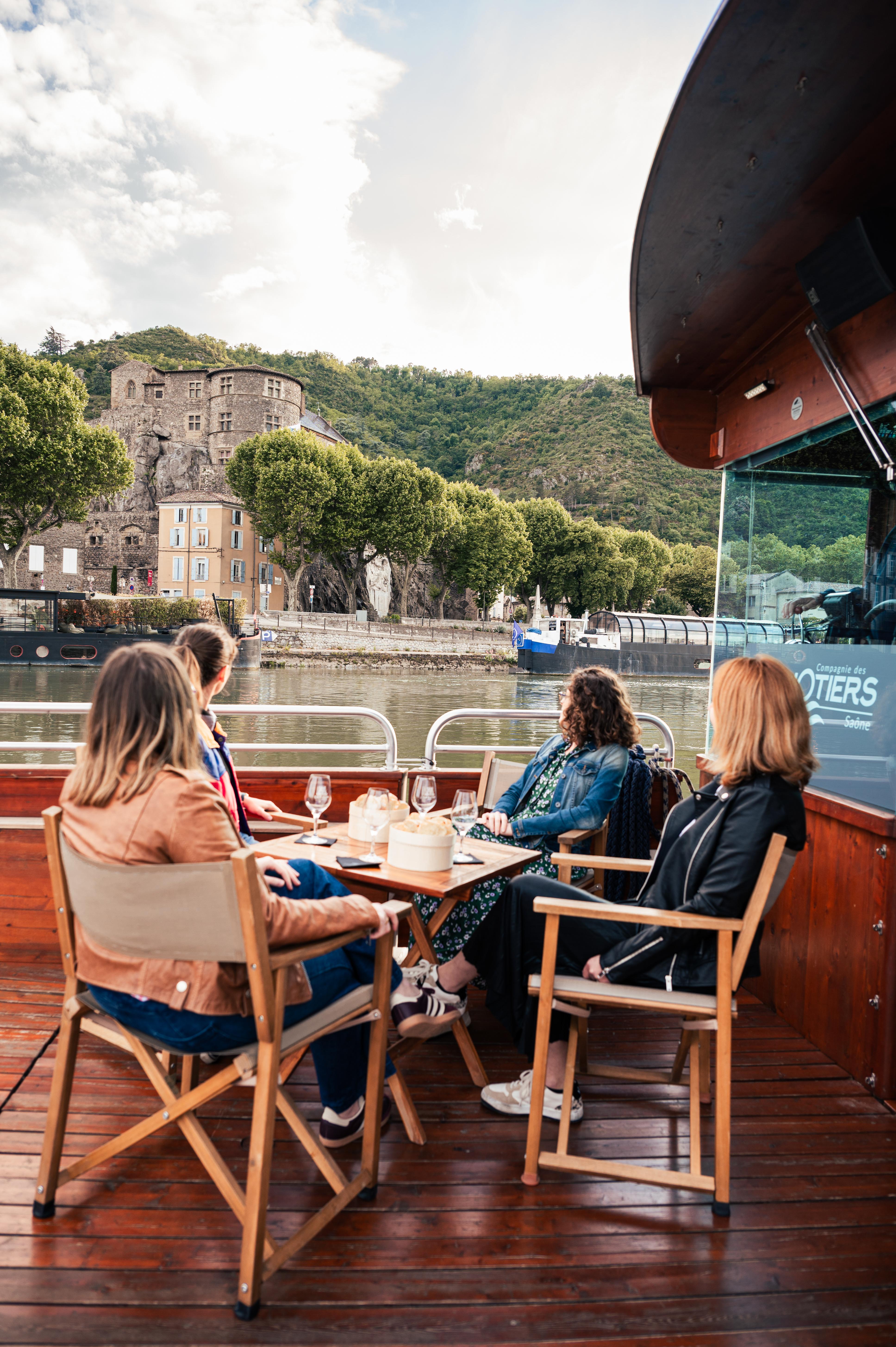
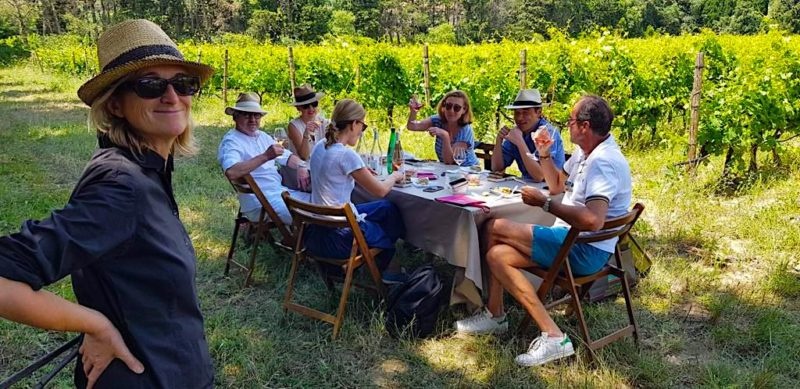
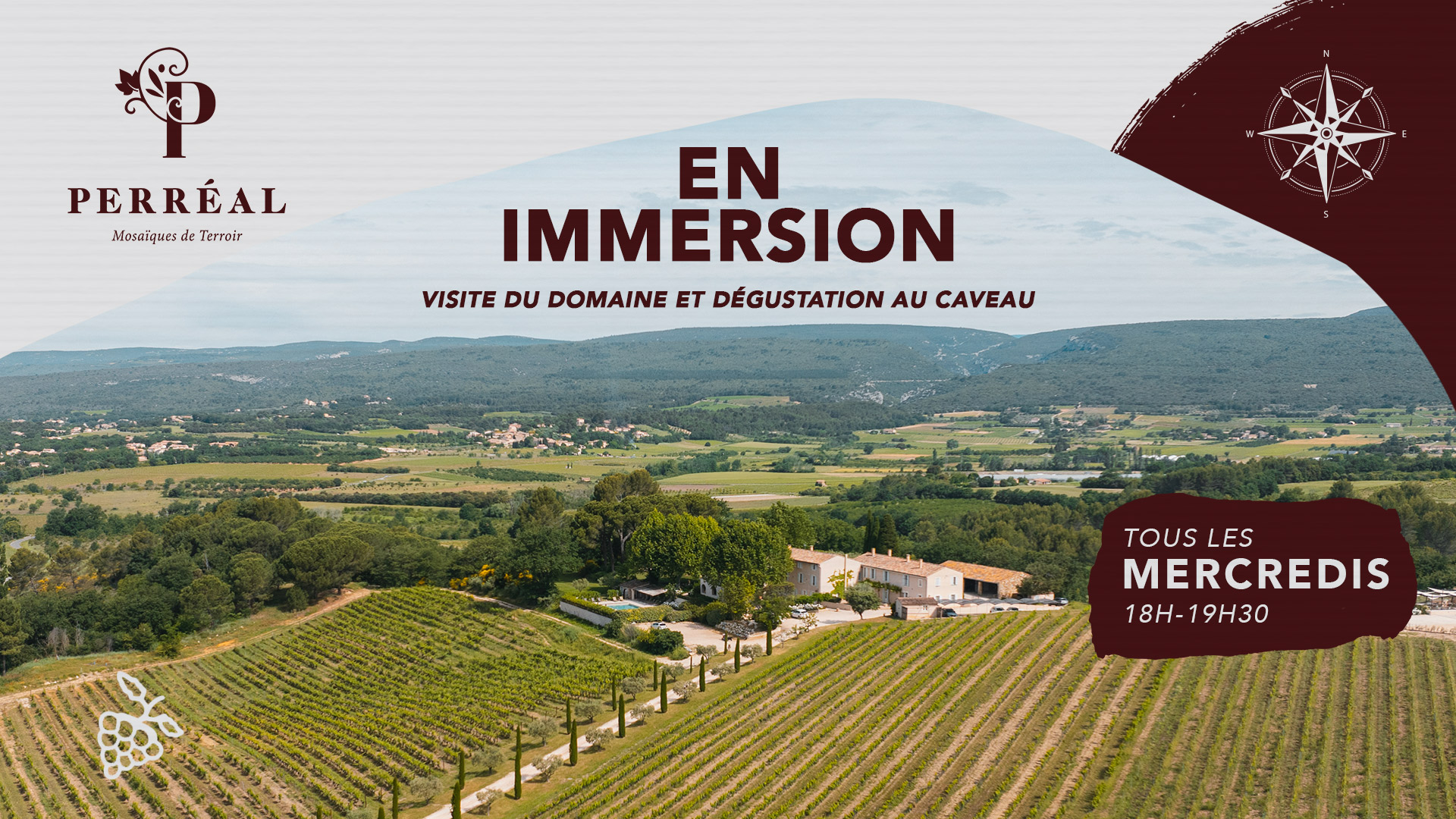
Authentic, mysterious, vibrant and full of contrasts, the Rhône Valley Vineyards are both varied and versatile. They represent France’s second-largest AOC area, are approachable, easy on the palate and teeming with unexpected treasures. Along the myriad wine routes you’ll find winemaking estates, museums, scenic footpaths, breathtaking landscapes and a wealth of history.
The Rhône Valley Departments
Ready to explore the Rhône Valley Vineyards?
Did you know, the Rhône Valley Vineyards span six departments: Vaucluse, Gard, Drôme, Ardèche, Rhône and Loire? And in each and every one of them, you’ll find a wealth of exciting, wine-related activities to enjoy.


2,000 years of history
Learn about the region’s history on Inter Rhône’s official website.
Climate
The climate in the Rhône Valley Vineyards is predominantly either Mediterranean, or enjoys a Mediterranean influence: summers are hot and dry, and winters are warm and wet. The surrounding mountains protect the vineyards from the worst of the weather, creating ideal conditions for vines to thrive.
Warm summers ensure that grapes ripen to perfection, while mild winter temperatures enable vines to survive the coldest months. Most rainfall occurs in spring and autumn, giving the vineyards the natural irrigation they need.
The diverse microclimates in the Rhône Valley, with subtle variations from region to region, allow a wide variety of wines to be made here, from fresh, aromatic whites to powerful, structured reds. Winemakers use a range of growing and winemaking techniques, adapting them to climate and terroir, all of which contributes to the wealth and complexity of Rhône Valley wines.


Just imagine! Stretching 250 km from north to south and encompassing 418 villages, the Rhône Valley Vineyards are a whole new world to explore – a vibrant universe, twisting and turning along the restless waters of the River Rhône.


Soils
The Rhône Valley Vineyards stretch over a vast area; consequently their soils are exceptionally diverse, and include granite, limestone, galets roulés (rounded pebbles), sand, sandstone and schist. Each soil type influences the character of the wines grown there, giving them specific scents and flavours.
Clay-rich soils, for example, retain water, resulting in rich, powerful wines, while limestone yields wines with good freshness and minerality. The Rhône Valley winegrowers make the most of this unique diversity to create an enormous variety of high quality wines.

Topography
The topography of the vineyards is equally varied, and can be divided into several distinct areas. The north of the valley is more rugged and mountainous, with steep slopes and limestone soils. Côte-Rôtie, Hermitage and Saint-Joseph notably fall into this category.
Further south the terrain is gentler, featuring rolling hillsides and plateaux offering panoramic views of the vineyards; this can be seen in, for example, Vacqueyras and Gigondas.
Finally, in the southern section of the valley, the terrain is flatter still, with vineyards stretching as far as the eye can see. Costières de Nîmes and Ventoux are famous examples.
So contrasting topography, too, contributes to the diversity of the terroirs – and hence the wines – of the Rhône Valley, offering a richness and complexity unique to this region.
