




From Hermitage to Saint-Joseph: The Influence of the Rhône
On the right bank: the Saint-Joseph appellation. On the left bank: Hermitage and Crozes-Hermitage. And between them, the turbulent waters of the River Rhône, the source of these unique winegrowing terroirs, an unremitting constant in the life of this region.

Contents
The Rhône, shaper of landscapes
And it’s to the Rhône that we owe these spectacular landscapes. Over the course of ice ages and the warmer interglacial periods, the river has carved out its bed and sculpted the alluvial terraces we see today.
This was how Hermitage became separated from the Massif Central, and how the steep slopes flanking the river on either side were created – by the action of the Rhône’s powerful waters.
The Rhône, a different kind of roman road
The Rhône was also the route taken by the ancient Greeks who first brought vines to the area, then by the Romans who nurtured and developed them. It was the Romans who shaped the steep banks into narrow terraces where the vines still grow.
The Rhône, a river made for wines
Like most of the vines tracing the Rhône’s 800 km journey, the vineyards of the Saint-Joseph, Hermitage and Crozes-Hermitage AOCs follow the river’s natural course.
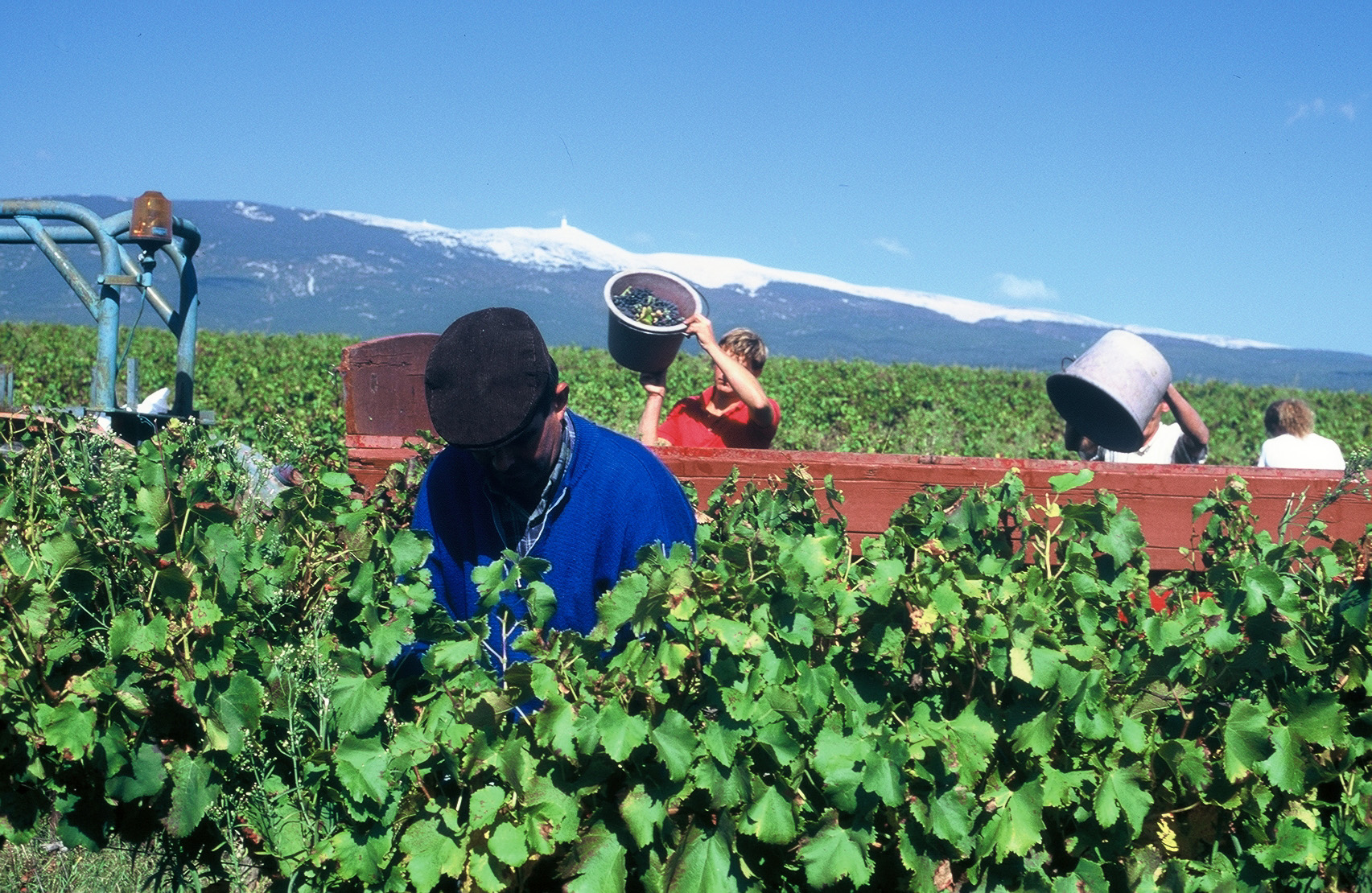
The location of the vines is all-important: a local saying asserts that, ‘if the wine’s to be good, the vines must see the river’, making the Rhône an indispensable winegrowing asset. And it’s true that the steep slopes in these appellations, with their excellent sun exposure, not only give the vines that crucial Mediterranean sunshine, but also good drainage, both essential to growing high quality grapes.
On the left bank, the Hermitage appellation (sometimes also spelt Ermitage) spans three villages, with a large area centred on the famous Hermitage Hill. Crozes-Hermitage, meanwhile, spans 11 villages and has the largest vineyard area of all the northern Rhône Valley appellations.
Opposite them, on the right bank, we find the Saint Joseph appellation, spanning 26 villages, stretching some 50 km north to south, from Chavanay to Guilherand-Granges, and passing through the departments of Ardèche and Loire.
The Rhône, a guide to wine tourism
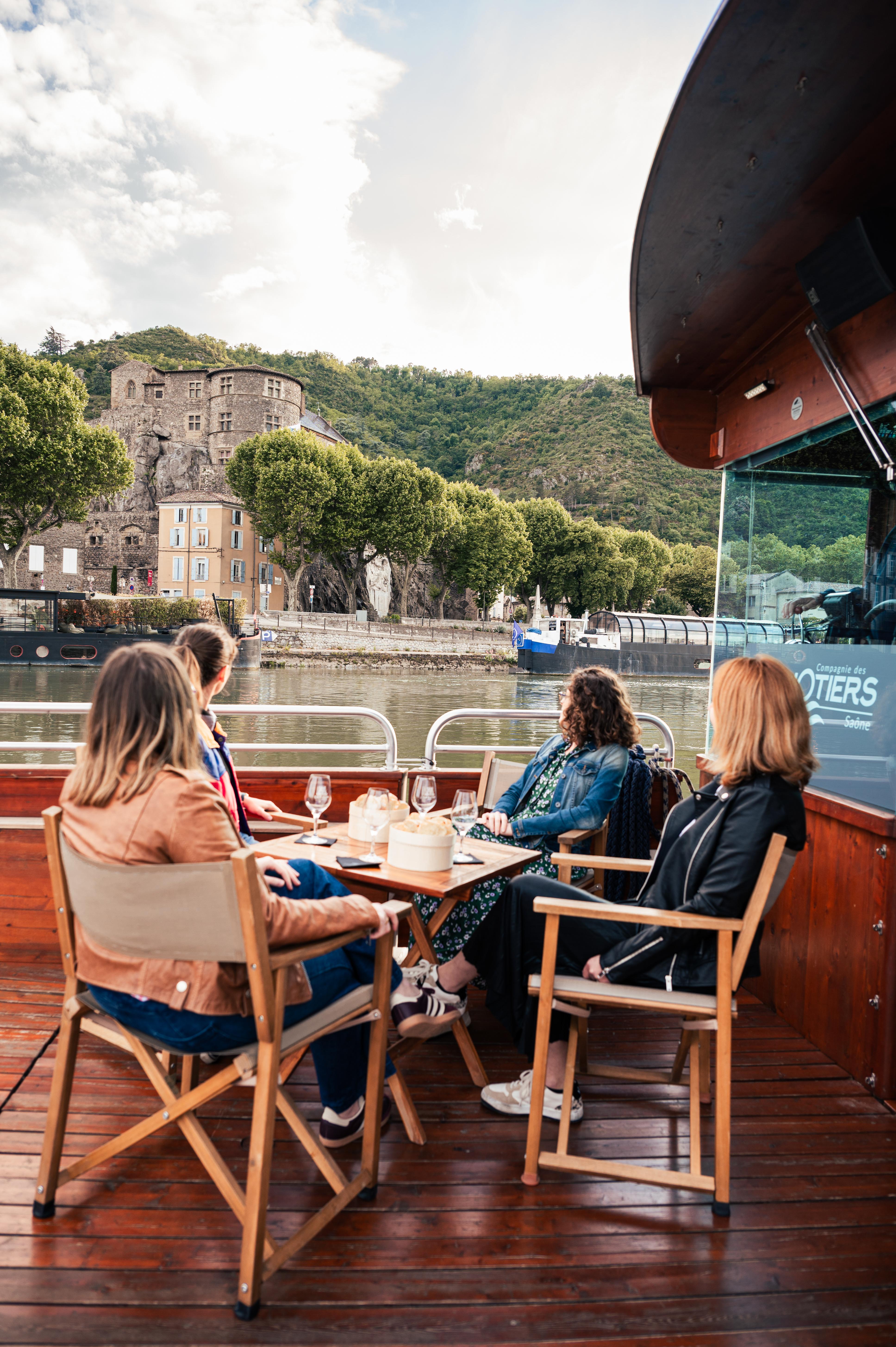
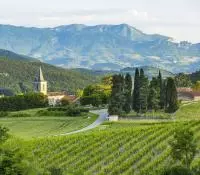
Wherever you are in the Rhône Valley Vineyards, the river is never very far away, watching over the magnificent landscapes its waters have sculpted across the ages. In acknowledgement of their splendour, the hillsides of Hermitage were granted earned National Heritage status in 2013, and are protected as a historic site of outstanding natural beauty.
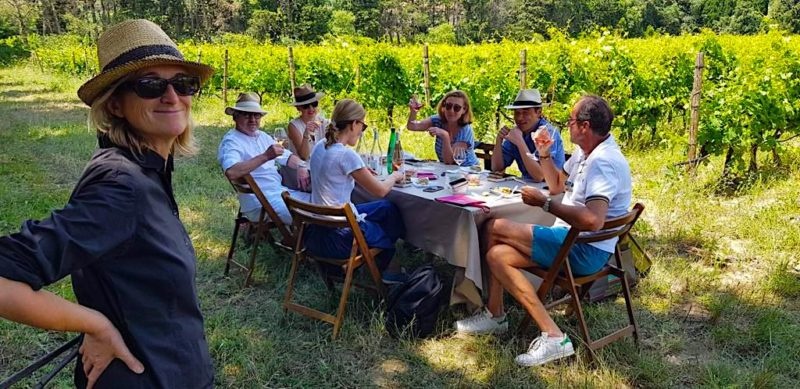
The Rhône also serves as a guide for visitors to the vineyards, whether on foot, by bike, segway, surrey bike or boat, inviting them to enjoy a range of unique tasting experiences.
Here’s something you may find interesting
2026 grape harvest: must-see events in the Rhône Valley
Clairette de Die: our suggestions for stops to discover this lesser-known wine region