


Condrieu and Côte-Rôtie: Heroic viticulture
The vines in both these appellations grow on the right bank of the river, on slopes at the northernmost extremities of the Rhône Valley. But the appellations share more than just their enviable Côtes du Rhône Cru status.

Vertical terroirs
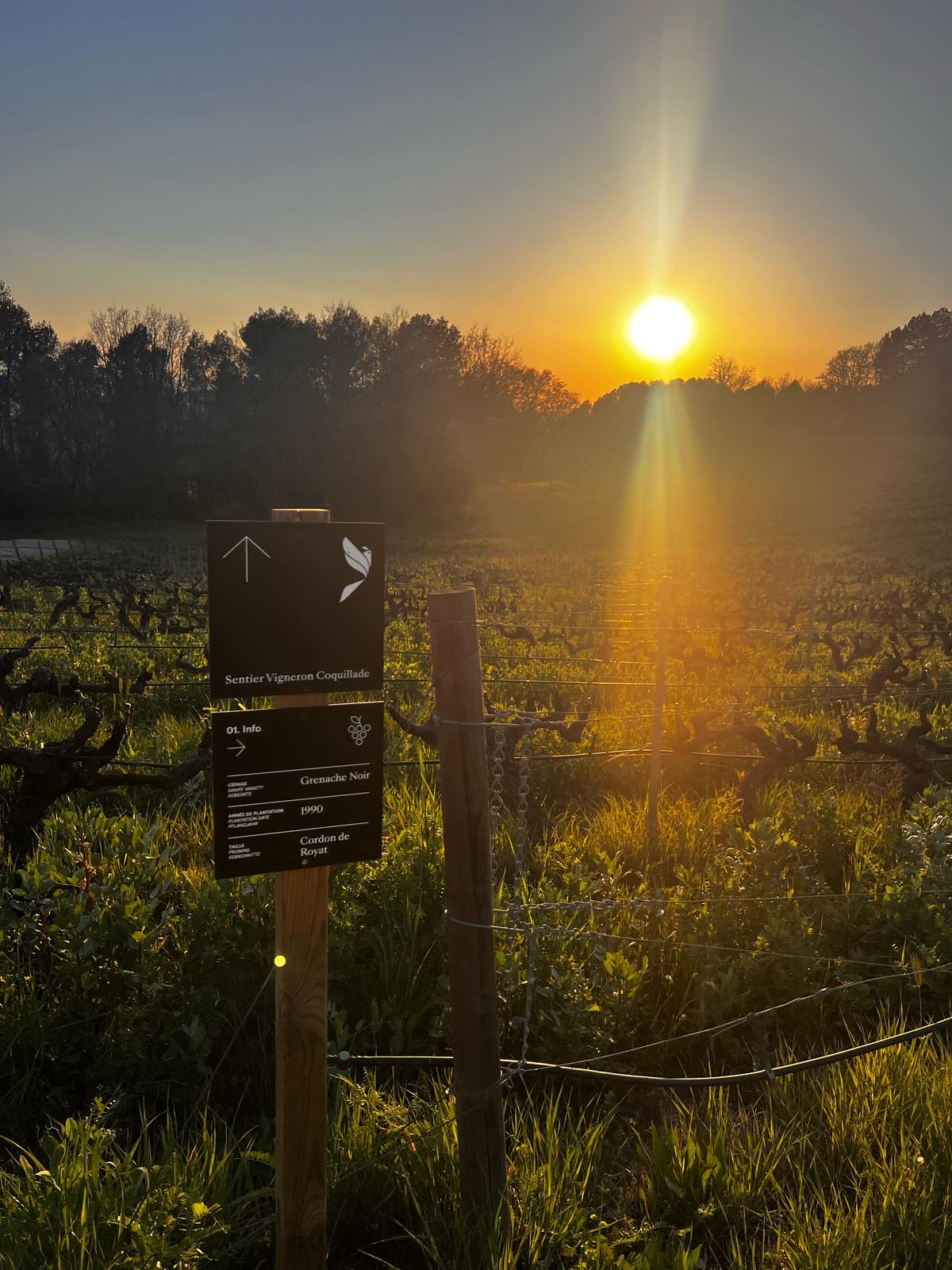
The landscapes of both Condrieu and Côte-Rôtie are utterly breathtaking, with vines clinging to slopes at altitudes of over 300 metres and gradients of over 60%. In their efforts to overcome natural conditions, generations of winegrowers have fashioned the land into narrow terraces, known locally as chaillées, supported by drystone walls.
Each terrace comprises just a few rows of vines, and requires constant attention and maintenance. Very little of the work can be mechanised: the walls are maintained by hand, as are the high wooden stakes on which the vines are trained.
Pruning, and of course harvesting, are also manual, making the whole process highly labour-intensive.
Rooted in antiquity
Another point the appellations have in common is their centuries of history, to which the nearby town of Vienne is central. We know that Vienne wines were already highly prized by the ancient Romans, and over the centuries, their standing continued to grow.
Wines from Vienne graced the tables of princes in England, Russia, Prussia and France, then later of the Avignon popes, and even the president of the United States, and the town played an important role in shaping their good reputation. Its location on the Rhône also made it a major centre for trade with the Mediterranean, rivalling even the neighbouring Lugdunum (Lyon).
As a result, Vienne quickly became a wealthy, powerful city, and remained so for centuries. It still retains many of its early architectural features, witnesses to its early grandeur.
100% wines
A third similarity is that the wines of both appellations are ‘100% wines’ – 100% white, made from Viognier in the case of Condrieu, and 100% red for Côte-Rôtie. Both appellations were awarded AOC status in the same year, 1940.
Vibrant and vital - A gourmet's paradise
And finally, these two appellations in the northernmost reaches of the Côtes du Rhône share one last attribute: both feature prominently in the Jazz à Vienne festival. A selected number of appellation winemakers are invited to make two special wines for this annual occasions, one a Condrieu, the other a Côte-Rôtie.
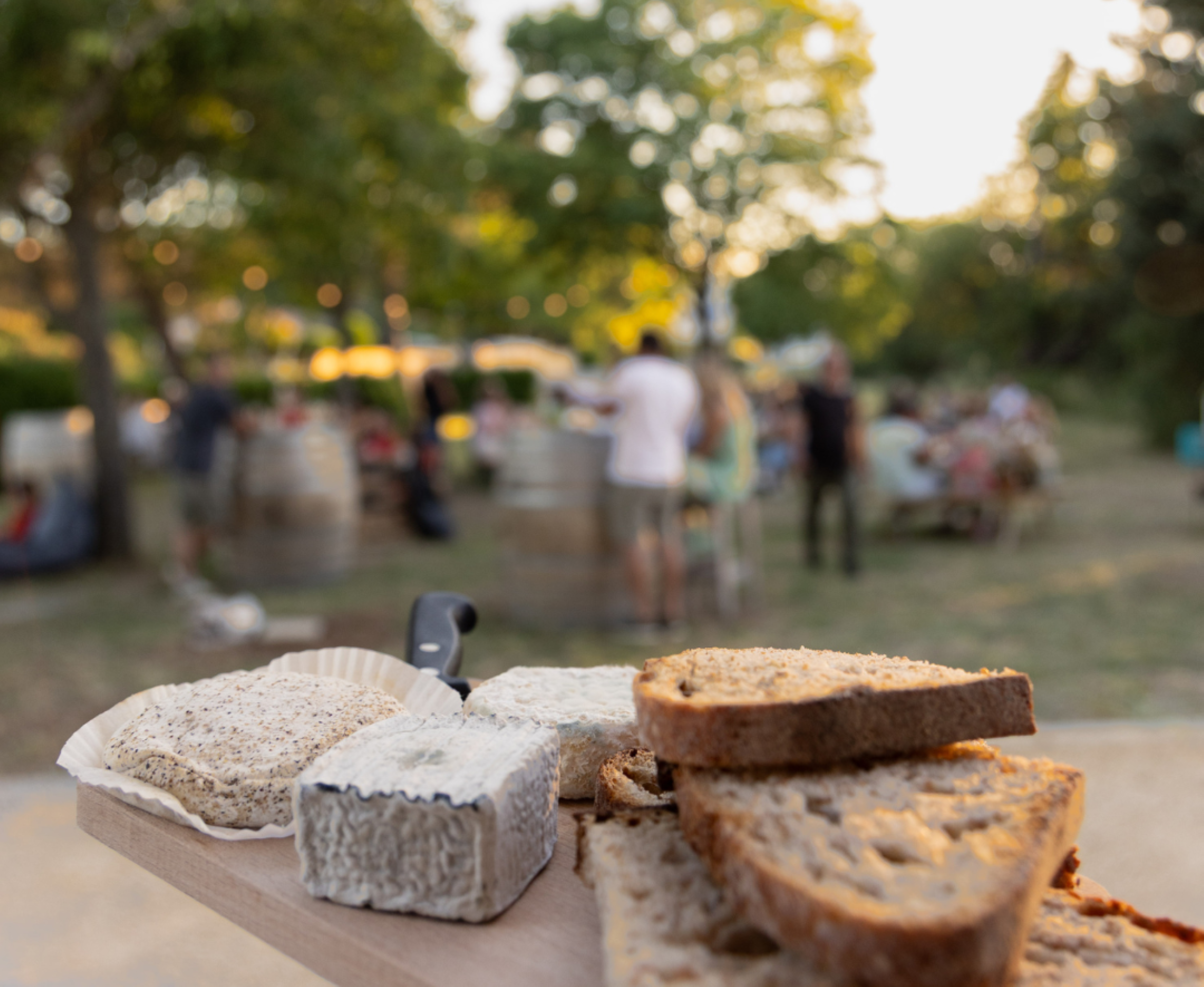
These are limited-edition – no more than 400 bottles – which festival-goers have the privilege of tasting first. There are, of course, plenty of opportunities throughout the year for both foodies and wine enthusiasts to enjoy exploring all the local products, often in the company of winemakers, including wine fairs, food festivals and open days. There’s no shortage of creative activities!
Here’s something you may find interesting
European Heritage Days 2026: explore the Rhône Valley in a new way
2026 grape harvest: must-see events in the Rhône Valley